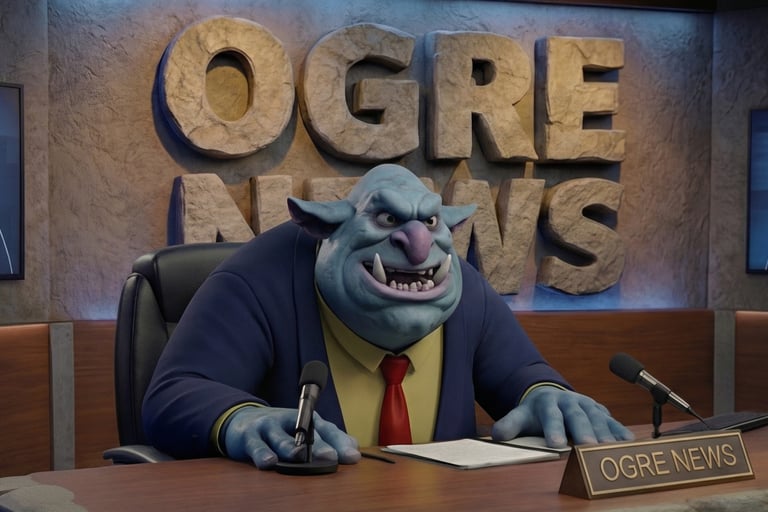
Ogre News – A New Production Straight from the swamp, unfiltered and unstoppable.
Welcome to Ogre News, the satirical news channel that grunts louder than the mainstream, digs deeper than the headlines, and isn't afraid to get muddy chasing the truth.
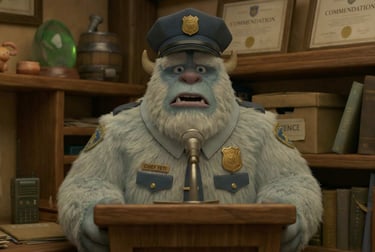
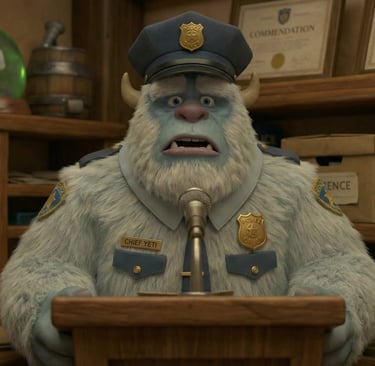
Raw, unfiltered stories served with a generous side of swampy sarcasm — delivered by the one and only Ogre, the slightly monstrous anchor who's equal parts fearless and ferocious.
This brand-new production brings you:
Daily shorts (Monday–Friday): Quick hits of global chaos, local lunacy, and everything in between.
Full stories (weekends): The complete swamp saga, like Medusa Murder, Murder at The Bridge, and Candy Cottage Murder.
Powered by cutting-edge AI tools for rapid image, video, and audio generation, Ogre News delivers fast, creative proofs-of-concept while pushing the boundaries of satirical storytelling. AI makes it exciting and efficient — but it's no replacement for the core craft, heart, and imagination behind every broadcast.
Tune in for the news that roars. Subscribe now — or the Ogre might just eat your remote. 🐸🌿
Ogre News: Where the truth gets muddy.
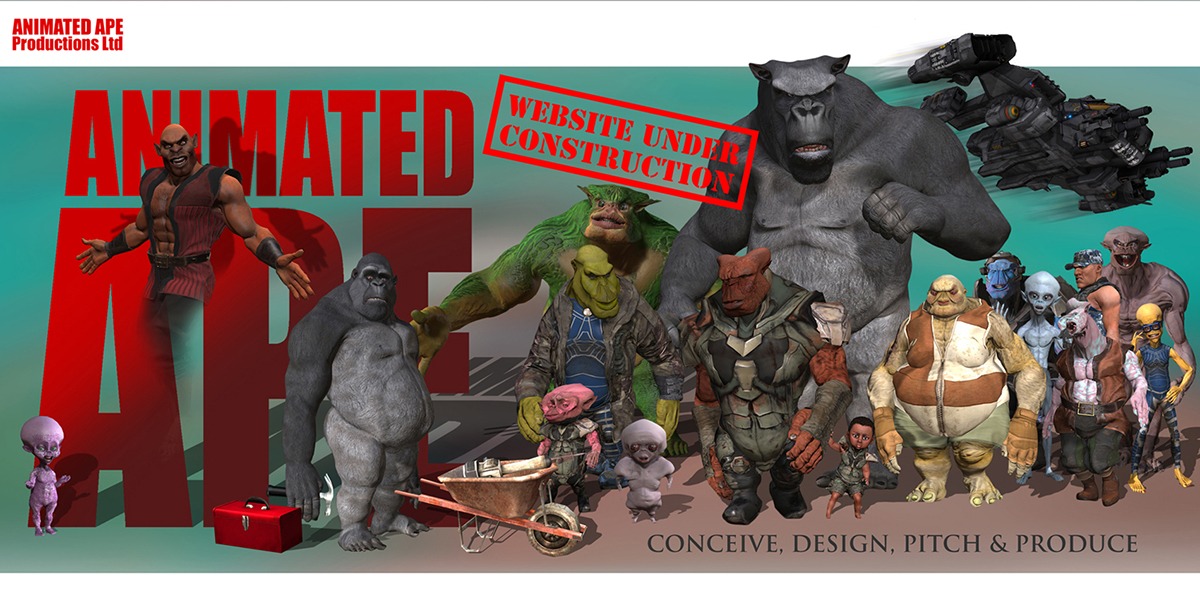
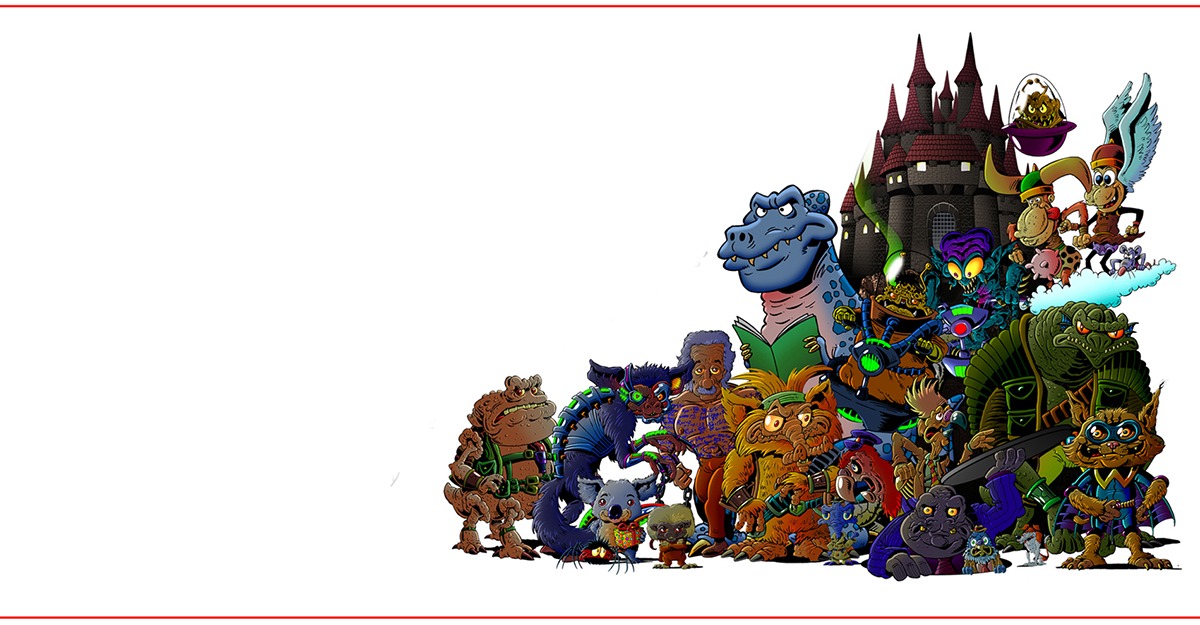
Animated Ape Productions Ltd has been set up to conceive, design, pitch & produce its own IP based around accessible, cost effective CGI animated cartoon content. We seek to bring our thoughts, our experience, our aesthetic in 2D comic-book imagery to that of the moving cartoon image and present our CGI material to corporate sector entities who might wish to option, co-produce, publish, transmit and/or stream this form of entertainment. Whether publishing our own 2D printed comics, such as with 'Dinotoons' or 'Damned Dirty Apes', or producing specific material for 2D online content, such as 'Drell's Marauders' for 'Aces Weekly', we have always sought to create and develop interesting and well designed characters that 'live' in terms of character, situation and genre. Animated Ape seeks to emulate our prior 2D creative output with our current 3D CGI output, our objective and goal being to convey the simple fun and entertainment of our comic book ethos via our own distinctive 'take' on CGI.
About Us
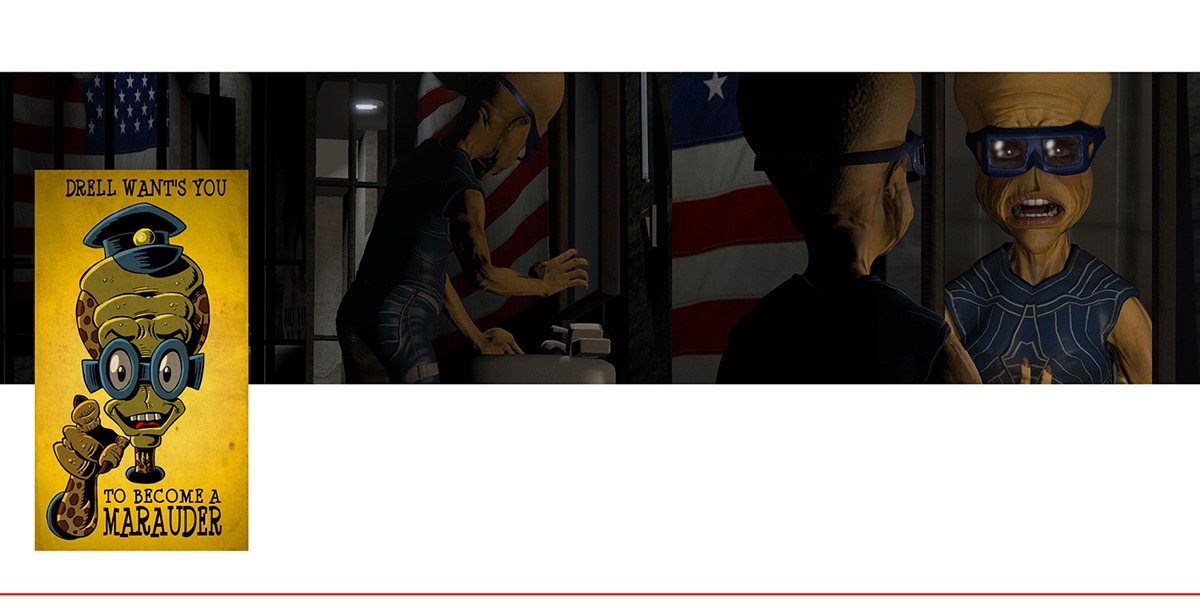
Our first unpublished experiment in utilising CGI, where we were seeking to originate an interesting visual cross-over between hand drawn material and that which is computer generated... 'Drell', existing within a 2D comic-book reality, suddenly finds himself to be stranded within a strange 3D reality. Small beginnings, but it did bring about something of a sea-change, a substantial alteration to our perspective, re ongoing creative output.
Developments
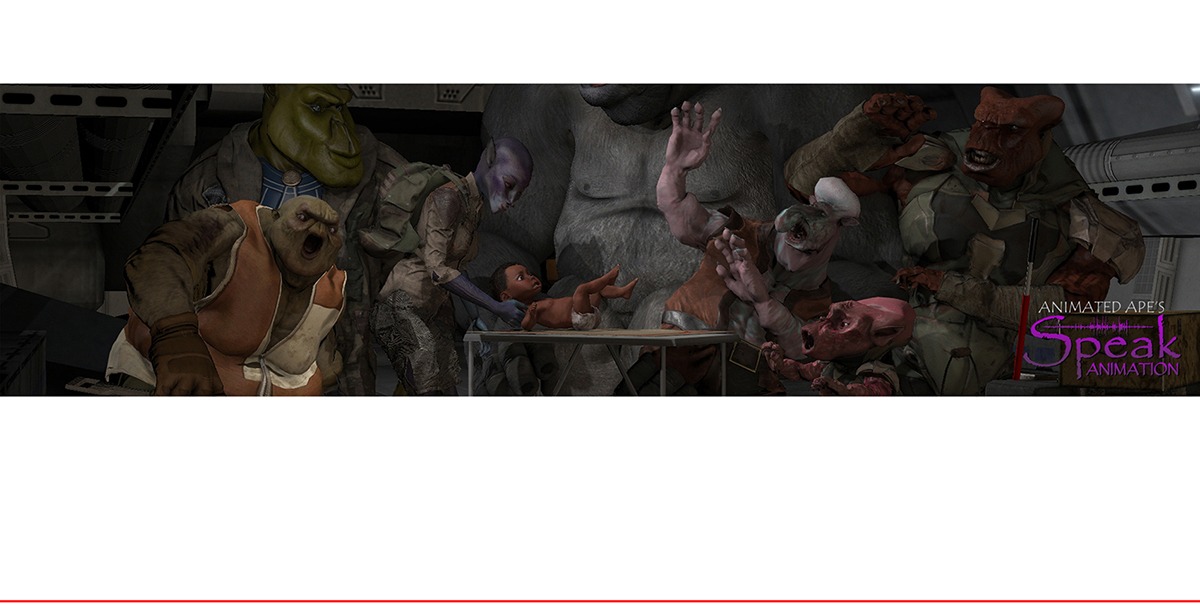
Concept Development Visual/Script Development Storyboarding Scripting Modelling Animation Voice Track Development • Editing • Audio Post-production• Visuals Post-production Animated Ape, although a recent adopter of CGI, is nonetheless determined to offer an innovative and cost effective approach to the creation of original animated material. As developers and producers of our own intellectual property, we are developing procedures, practices and methodologies that will enable efficient production of our own animated material, we also intend to utilise these arrangements when co-producing or developing content for others via 'Speak Animation'
Services